1. Geological and Geographical Factors:
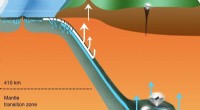
* Plate Tectonics: The movement of tectonic plates shapes the Earth's surface, leading to the formation of mountains, valleys, and oceans. This influences the distribution of minerals, oil, and gas deposits.
* Climate and Weather: Different regions experience diverse climates, influencing the growth of vegetation, the availability of water resources, and the formation of soils.
* Topography: The shape of the land, including mountains, plains, and deserts, impacts the suitability of areas for agriculture, mining, or other activities.
2. Historical and Political Factors:
* Colonialism and Imperialism: Historical colonization and exploitation often resulted in the concentration of resources in the hands of a few powerful nations, leading to disparities in access and ownership.
* Political Boundaries: National borders and political systems influence the way resources are managed, traded, and distributed.
* Conflicts and Wars: Wars and conflicts can disrupt resource extraction and distribution, causing shortages and inequalities.
3. Economic and Technological Factors:
* Investment and Infrastructure: The availability of capital and infrastructure, such as roads, railways, and ports, determines the accessibility and utilization of resources.
* Technology and Innovation: Technological advancements impact resource extraction, processing, and utilization, leading to new opportunities and challenges.
* Market Forces: Global markets and trade patterns shape the demand and supply of resources, influencing their prices and availability in different regions.
4. Social and Environmental Factors:
* Population Density and Distribution: The concentration of people in certain areas puts pressure on resources and creates competition for access.
* Environmental Degradation: Overexploitation, pollution, and climate change can deplete resources and lead to environmental imbalances.
* Cultural Practices and Traditions: Different cultures have varying values and practices regarding resource use and conservation, impacting resource distribution and management.
Consequences of Uneven Resource Distribution:
* Economic Disparities: Regions with abundant resources often have higher economic growth and development compared to those with limited resources.
* Social Inequality: Uneven distribution of resources can lead to poverty, social unrest, and political instability.
* Environmental Challenges: Overexploitation of resources can lead to depletion, pollution, and ecosystem degradation.
Addressing the Challenges:
* Sustainable Resource Management: Promoting sustainable practices, conservation, and responsible resource extraction.
* International Cooperation: Fostering collaboration and equitable resource sharing among nations.
* Investment in Technology and Infrastructure: Developing innovative technologies and infrastructure to improve resource efficiency and accessibility.
* Social Equity and Justice: Ensuring fair access to resources and addressing social inequalities.
Understanding the complex interplay of these factors is crucial for finding solutions to the challenges of uneven resource distribution and promoting sustainable and equitable development for all.