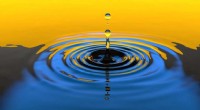
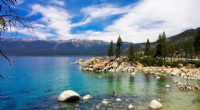
1. Water: This is the most powerful and common agent of erosion. Rain, rivers, oceans, and even waves can wear away rock and soil, transporting it to new locations.
2. Wind: Wind can carry sand and dust, abrading surfaces and creating features like sand dunes. It's especially effective in arid and semi-arid environments.
3. Ice: Glaciers are massive, slow-moving rivers of ice that carve out valleys, transport boulders, and scrape away bedrock. Frost wedging, where water freezes in cracks and expands, also contributes to erosion.
4. Gravity: Gravity pulls everything downhill, contributing to erosion by causing landslides, rockfalls, and soil creep.
5. Organisms: Living things like plants, animals, and even bacteria can play a role in erosion. Plant roots can break up rock, burrowing animals can loosen soil, and even the simple act of walking on a path can compact soil and lead to erosion.
Let's clarify: These agents are the *driving forces* behind erosion. They are not the results of erosion. The results of erosion are the features we see in the landscape like canyons, valleys, sand dunes, and deltas.