1. Providing Basic Needs:
* Food: Agriculture relies on fertile soil, water, and sunlight to produce crops.
* Water: Clean water is essential for drinking, sanitation, irrigation, and industrial processes.
* Shelter: Wood for construction, minerals for building materials, and land for housing all derive from natural resources.
2. Energy Production:
* Fossil fuels (coal, oil, natural gas): Provide the majority of our energy needs, powering homes, businesses, and transportation.
* Renewable energy: Wind, solar, hydro, geothermal, and biomass resources offer cleaner and sustainable energy alternatives.
3. Industrial Production:
* Minerals: Used in manufacturing a wide range of products, from smartphones and computers to cars and airplanes.
* Timber: Provides wood for construction, furniture, paper, and other products.
* Fibers: Cotton, wool, and other natural fibers are used in textiles and clothing.
4. Environmental Services:
* Air and water purification: Forests, wetlands, and oceans filter pollutants and regulate air and water quality.
* Climate regulation: Forests absorb carbon dioxide, helping mitigate climate change.
* Biodiversity: Natural ecosystems support a diverse range of species, providing food, medicine, and other essential services.
5. Economic Development:
* Employment: Many industries and jobs are directly dependent on natural resources, from mining and forestry to agriculture and tourism.
* Trade: Natural resources are a major component of international trade, contributing to national economies.
6. Health and Wellbeing:
* Recreation and Tourism: Natural areas provide opportunities for recreation, relaxation, and tourism, promoting physical and mental health.
* Medicinal plants: Many plants provide natural remedies for various ailments.
* Aesthetic value: Nature provides beauty, inspiration, and a sense of peace, enhancing our quality of life.
Challenges and Sustainability:
While natural resources are vital, their unsustainable use poses significant challenges:
* Depletion: Overexploitation can lead to the depletion of resources.
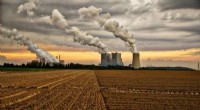
* Environmental damage: Mining, logging, and industrial activities can cause pollution and habitat destruction.
* Climate change: Fossil fuel dependence contributes to climate change, impacting natural resources and ecosystems.
Therefore, it's crucial to manage and use natural resources sustainably to ensure their availability for present and future generations. This involves adopting practices like:
* Conservation: Reducing consumption and waste.
* Renewable energy: Transitioning to cleaner energy sources.
* Sustainable agriculture: Promoting environmentally friendly farming methods.
* Responsible resource management: Protecting and restoring ecosystems.
By embracing sustainable practices, we can ensure the continued benefits of natural resources for generations to come.