Economic Importance:
* Foundation of Industries: Natural resources are often the foundation for entire industries. For example, oil and gas resources drive energy production, forests provide raw materials for lumber and paper industries, and fertile land supports agriculture.
* Employment: The extraction, processing, and manufacturing of natural resources create numerous jobs, supporting local economies and communities.
* Exports and Trade: Many regions rely on the export of natural resources to generate income and support international trade, contributing to their overall economic growth.
* Investment: The presence of valuable natural resources can attract foreign investment, further boosting economic activity and development.
Environmental Importance:
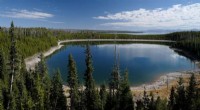
* Ecosystem Services: Natural resources like forests, wetlands, and oceans provide essential ecosystem services, such as air and water purification, climate regulation, and biodiversity preservation.
* Sustainable Development: Responsible management of natural resources is key to ensuring sustainable development, balancing economic growth with environmental protection.
* Cultural and Recreational Value: Many natural resources hold significant cultural and recreational value, offering opportunities for tourism, recreation, and spiritual connection with nature.
Social Importance:
* Quality of Life: Access to clean water, fertile land for agriculture, and healthy ecosystems contribute to a region's overall quality of life.
* Community Identity: Natural resources often shape a region's identity and culture, providing a sense of place and belonging.
* Health and Well-being: Natural resources contribute to physical and mental well-being, offering opportunities for outdoor recreation, relaxation, and connection with nature.
However, it's crucial to remember:
* Sustainability is key: Overexploitation or mismanagement of natural resources can have devastating consequences for the environment and local communities.
* Equitable distribution: Access to and benefits from natural resources should be distributed fairly and equitably to ensure that all members of a society benefit.
* Long-term planning: Effective planning is essential for managing and conserving natural resources for future generations.
In conclusion, natural resources are essential for a region's economic prosperity, environmental health, and social well-being. Their responsible management and conservation are critical for sustainable development and ensuring a healthy and prosperous future.