Habitat:
* Definition: The natural environment where an organism lives. It encompasses all the physical and biological factors that support life for that organism.
* Focus: The physical surroundings and resources.
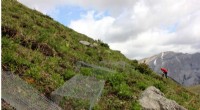
* Examples: A forest, a coral reef, a desert, a pond.
* Key Components:
* Climate (temperature, rainfall)
* Topography (elevation, slope)
* Soil type
* Availability of food and water
* Shelter from predators and weather
Community:
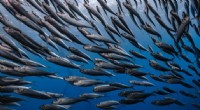
* Definition: A group of different species of organisms living together in a particular habitat and interacting with each other.
* Focus: The interactions between living organisms (biotic factors).
* Examples: All the plants, animals, fungi, and bacteria living in a forest.
* Key Components:
* Predation
* Competition
* Symbiosis (mutualism, commensalism, parasitism)
* Disease
Relationship:
* A habitat provides the physical environment for a community to exist.
* The community interacts within the habitat and shapes it through their relationships and actions.
Analogy:
* Imagine a house as a habitat. The house provides the structure and resources (walls, roof, electricity, water) for a family (the community) to live in. The family interacts with each other (parent-child, sibling-sibling), influencing the house's environment.
In summary:
* Habitat: The physical place where organisms live.
* Community: The living organisms in that place and their interactions.