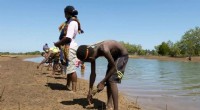
1. The Indus River Valley:
* Fertile Land: The Indus River, along with its tributaries, created a vast and fertile plain ideal for agriculture. This allowed for the development of settled agricultural communities, which formed the basis of Indian civilization.
* Trade Routes: The Indus Valley was strategically located at the crossroads of important trade routes connecting Central Asia, the Middle East, and East Asia. This facilitated the exchange of goods, ideas, and cultures, contributing to the growth of cities and prosperity.
2. The Himalayas and the Deccan Plateau:
* Natural Barriers: The towering Himalayas acted as a natural barrier, protecting India from invaders from the north. This allowed for relative stability and fostered the development of unique cultural traditions.
* Monsoon Winds: The monsoon winds, influenced by the Himalayas, brought vital rainfall to the Indian subcontinent, ensuring agricultural success and shaping the lives of people.
* Diverse Terrain: The Deccan Plateau provided a distinct geographic region with diverse landscapes, supporting different ecological zones and fostering unique cultural identities.
3. Coastal Regions:
* Sea Trade: The long coastline of India provided access to maritime trade routes, connecting India with other civilizations around the Indian Ocean. This led to the development of powerful maritime empires and flourishing trade networks.
* Diverse Resources: Coastal regions offered a variety of resources, including fishing, pearls, and salt, contributing to the economic and cultural diversity of India.
4. The Subcontinent's Climate:
* Tropical Climate: India's tropical climate allowed for the cultivation of a wide variety of crops, supporting a large population and a diverse agricultural economy.
* Seasonal Variations: The monsoons, while vital for agriculture, also brought challenges such as floods and droughts, requiring adaptation and resilience from the people.
In Summary:
The physical geography and location of India provided both opportunities and challenges that shaped the development of Indian civilization. Its fertile plains, strategic location, natural barriers, diverse terrain, and unique climate all contributed to the rise of a vibrant and complex civilization with a rich cultural heritage.