From the Earth:
* Minerals:
* Iron Ore: Transformed into steel, used in construction, vehicles, appliances, etc.
* Bauxite: Transformed into aluminum, used in packaging, building materials, aircraft, etc.
* Copper Ore: Transformed into copper wire, used in electronics, plumbing, and more.
* Sand: Transformed into glass, used in windows, bottles, electronics, etc.
* Limestone: Transformed into cement, used in construction, concrete, etc.
* Fossil Fuels:
* Crude Oil: Transformed into gasoline, diesel, kerosene, plastics, and other products.
* Natural Gas: Used directly as a fuel source, transformed into plastics, fertilizers, and more.
* Coal: Burned to generate electricity, transformed into coke used in steelmaking.
* Wood:
* Used for furniture, construction, paper, and more.
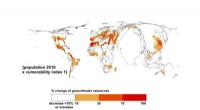
* Water:
* Used for drinking, irrigation, power generation, and industrial processes.
* Land:
* Used for agriculture, housing, transportation, and other infrastructure.
From Plants and Animals:
* Cotton: Transformed into clothing, textiles, and other products.
* Wool: Transformed into clothing, blankets, and other products.
* Leather: Transformed from animal hides into clothing, furniture, and other products.
* Timber: See above.
* Rubber: Transformed from latex, used in tires, hoses, and other products.
Other:
* Air: Used for power generation (wind turbines) and industrial processes.
* Sunlight: Used for solar power generation.
Important Note: The transformation of natural resources into man-made products often involves complex processes, energy consumption, and environmental impacts. It's crucial to consider the sustainability of these processes and minimize their negative consequences.