* Climate:
* Dry climates: Plants in dry areas often have narrow leaves to reduce water loss through transpiration.
* Humid climates: Plants in humid areas may have broader leaves to maximize photosynthesis in the abundant moisture.
* Sunlight: Plants in sunny areas may develop smaller leaves to avoid excessive sunlight and heat. Plants in shady areas might have larger leaves to capture more light.
* Competition: Plants in areas with high competition might have larger leaves to outcompete others for sunlight.
* Nutrient availability: Plants with access to abundant nutrients might have broader leaves to support rapid growth.
* Herbivory: Plants that are frequently eaten by animals may have smaller, tougher leaves as a defense mechanism.
While broad leaves are common in some plain environments, especially those with adequate moisture and sunlight, they are not a universal characteristic. Many plants in plains have narrow leaves, depending on the specific ecological conditions.
Examples:
* Grasslands: Dominated by grasses, which typically have narrow leaves.
* Savannas: Characterized by grasses and scattered trees. Trees may have broad leaves in the rainy season but shed them during the dry season.
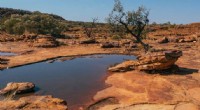
* Deserts: Many desert plants have small, thick, or spiny leaves to minimize water loss.
So, it's inaccurate to say that all plants in plains have broad leaves. It's more accurate to say that the size and shape of leaves are highly dependent on the specific environment a plant lives in.