Positive Impacts:
* Resource Management: Humans can bring in practices to manage resources sustainably, like reforestation projects, water conservation strategies, and sustainable agriculture.
* Conservation Efforts: Humans can actively protect endangered species and ecosystems, establish national parks, and conduct research to understand and preserve biodiversity.
* Technological Advancements: Human innovations can lead to improved environmental monitoring, pollution control technologies, and renewable energy sources.
* Cultural Enrichment: Human interactions can lead to the spread of knowledge, cultural exchange, and a deeper appreciation for diverse ecosystems.
Negative Impacts:
* Habitat Destruction: Human activities like deforestation, urbanization, and agriculture can destroy natural habitats and displace native species.
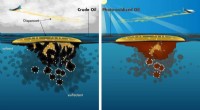
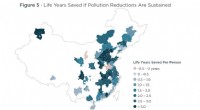
* Pollution: Industrial and agricultural waste, plastic pollution, and air pollutants contaminate land, water, and air, harming ecosystems and biodiversity.
* Invasive Species Introduction: Humans can unintentionally or intentionally introduce non-native species that outcompete and displace native species, disrupting food webs and ecosystems.
* Climate Change: Human activities, particularly the burning of fossil fuels, release greenhouse gases, leading to global warming and its associated consequences like rising sea levels, extreme weather events, and habitat loss.
* Overexploitation: Overfishing, overhunting, and unsustainable harvesting practices can lead to the decline and extinction of species.
The Complex Nature of Human Impact:
It's crucial to understand that the impact of humans on an environment is complex and multifaceted. The extent of positive or negative impacts varies greatly depending on:
* Population Density: Higher population density often leads to increased pressure on resources and ecosystems.
* Technological Development: Advanced technologies can have both positive and negative environmental effects, depending on how they are used.
* Cultural Values: Cultural beliefs and practices can influence how humans interact with their surroundings.
* Economic Factors: Economic development can drive environmental changes, but it can also provide resources for conservation efforts.
Moving Forward:
To address the challenges of human impact on the environment, we need to:
* Promote Sustainable Practices: Encourage sustainable agriculture, responsible resource management, and renewable energy sources.
* Conserve Biodiversity: Protect endangered species, restore habitats, and promote ecosystem services.
* Reduce Pollution: Implement stricter regulations and cleaner technologies to reduce air, water, and soil pollution.
* Combat Climate Change: Transition to a low-carbon economy and invest in climate change mitigation and adaptation strategies.
* Promote Environmental Education: Educate individuals about environmental issues and encourage responsible stewardship of the planet.
The future of our planet depends on our ability to understand and address the complex relationship between humans and the environment.