1. Disruption of Food Webs:
* Predation: Invasive predators can decimate populations of native prey species, disrupting the balance of the ecosystem. For example, the introduction of Burmese pythons in Florida has led to the decline of native mammals like rabbits and raccoons.
* Competition: Invasive species can outcompete native species for resources like food, water, and habitat. This can lead to the decline or extinction of native species. For example, zebra mussels outcompete native mussels for food and space in the Great Lakes.
2. Habitat Degradation:
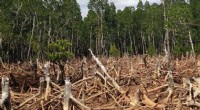
* Overgrazing: Invasive herbivores can overgraze native vegetation, destroying habitats and disrupting the food chain. For example, goats introduced to islands can decimate native plant life.
* Altering Ecosystem Processes: Invasive species can alter crucial ecosystem processes like nutrient cycling and water flow. For instance, the introduction of the water hyacinth in Africa has blocked waterways, hindering transportation and harming aquatic ecosystems.
3. Disease Transmission:
* Invasive species can carry diseases that can infect and harm native species. For example, the introduction of the chestnut blight fungus in the early 20th century decimated the American chestnut population.
4. Economic Impacts:
* Invasive species can cause significant economic damage to industries like agriculture, forestry, and tourism. For example, the emerald ash borer has destroyed millions of ash trees in North America, leading to substantial economic losses.
5. Human Health Risks:
* Some invasive species can pose direct threats to human health. For example, the Asian tiger mosquito, which can carry diseases like dengue fever and Zika virus, has spread widely due to human activities.
Key Factors Contributing to the Threat:
* Lack of Natural Predators: Invasive species often thrive because they lack natural predators in their new environment.
* Rapid Reproduction: Many invasive species reproduce quickly and can overwhelm native species.
* Ability to Adapt: Invasive species often have the ability to adapt quickly to new environments.
Preventing and Managing Invasive Species:
* Biosecurity Measures: Implementing strict regulations on the import of plants and animals to prevent introductions.
* Early Detection and Response: Quickly identifying and responding to new invasive species can prevent widespread damage.
* Control and Eradication: Utilizing various methods to control or eradicate established invasive species.
Understanding the dangers of non-native species is crucial for preserving biodiversity and protecting our ecosystems. By taking preventive measures and promoting responsible practices, we can minimize the risk of invasive species introductions and their devastating consequences.