1. Intensity: This refers to the brightness or strength of light. It dictates the amount of energy available for photosynthesis by plants, which forms the basis of most ecosystems.
* High intensity: Found in open areas like grasslands and deserts, supports high rates of photosynthesis and thus high productivity.
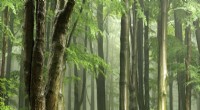
* Low intensity: Occurs in shaded areas like forests or deep water, limits photosynthesis and can affect the types of plants and animals that thrive.
2. Duration: This refers to the length of time light is available each day, also known as photoperiod. It influences the timing of biological processes, particularly:
* Plant growth and development: Plants have evolved to respond to specific photoperiods, influencing flowering, seed production, and dormancy cycles.
* Animal behavior: Many animals, especially those in temperate regions, utilize photoperiod cues for migration, hibernation, and breeding cycles.
These two qualities of light, intensity and duration, together determine the light environment of an ecosystem, which in turn influences the entire community of organisms within it.