Ecology is a vast and interdisciplinary field, drawing on knowledge from various other disciplines. Here's a breakdown of some key related areas:
1. Biological Sciences:
* Evolutionary Biology: Understanding how species adapt and evolve in response to environmental changes.
* Genetics: Studying the genetic basis of adaptations and the role of genetic diversity in ecological processes.
* Physiology: Exploring how organisms function and respond to environmental conditions.
* Zoology and Botany: Focusing on the specific adaptations and interactions of animal and plant species within their ecosystems.
* Microbiology: Investigating the roles of microorganisms in ecosystem function and nutrient cycling.
2. Earth Sciences:
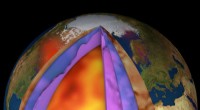
* Geology: Understanding the formation and structure of the Earth's surface, impacting habitat distribution and geological processes.
* Climatology: Analyzing climate patterns and their influence on ecological systems, including climate change impacts.
* Soil Science: Studying soil properties and their effects on plant growth and nutrient cycling.
* Oceanography: Researching the biological, chemical, and physical processes within marine ecosystems.
3. Social Sciences:
* Geography: Understanding the spatial distribution of organisms and ecosystems, and the influence of human activities on landscapes.
* Anthropology: Exploring the relationship between humans and their environment, including cultural perspectives on resource management.
* Economics: Analyzing the economic value of ecosystems and the costs of environmental degradation.
* Sociology: Examining the social and cultural factors affecting environmental decision-making and resource use.
4. Other Disciplines:
* Mathematics and Statistics: Developing models and analyzing data to understand ecological patterns and processes.
* Computer Science: Using computational tools to analyze and model complex ecological systems.
* Engineering: Designing and implementing solutions for environmental problems and sustainable development.
5. Approaches within Ecology:
* Population Ecology: Studying the dynamics of populations, including growth, regulation, and interactions within species.
* Community Ecology: Analyzing the structure and interactions of different species within a community.
* Ecosystem Ecology: Investigating the flow of energy and matter through ecosystems, including nutrient cycling and food webs.
* Landscape Ecology: Examining the spatial patterns and processes of ecosystems at a regional scale, including habitat fragmentation and connectivity.
* Conservation Ecology: Focusing on the conservation of biodiversity and the management of ecosystems for sustainable use.
Interdisciplinary Approaches:
* Restoration Ecology: Applying ecological principles to restore degraded ecosystems.
* Conservation Biology: Combining ecological knowledge with conservation practices to protect species and ecosystems.
* Ecological Economics: Integrating ecological principles into economic decision-making to promote sustainable development.
* Agroecology: Developing agricultural systems that mimic natural ecosystems and enhance biodiversity.
This list is not exhaustive, but it highlights the interconnected nature of ecology and the wide range of disciplines that contribute to its advancement. Ecology is a dynamic field constantly evolving and expanding its scope to address pressing environmental challenges.