Ecosystem Services:
* Regulation of Climate: Diverse ecosystems, like forests and wetlands, play a crucial role in regulating the global climate. They absorb carbon dioxide, release oxygen, and influence weather patterns.
* Water Purification and Filtration: Biodiversity provides natural filters for water, removing pollutants and ensuring clean water supplies. Wetlands, for example, act as natural sponges, absorbing excess water and filtering pollutants.
* Soil Fertility and Health: Diverse soil biota (microorganisms, insects, etc.) break down organic matter, recycle nutrients, and improve soil structure, supporting plant growth and agriculture.
* Pest and Disease Control: A diverse ecosystem provides natural pest and disease control through predation, parasitism, and competition. This reduces the need for chemical pesticides and improves agricultural yields.
* Pollination: Many plants depend on insects, birds, and other animals for pollination. Without biodiversity, crops would fail, and food security would be threatened.
Human Well-being:
* Food Security: Biodiversity provides a variety of food sources, both for direct consumption and for livestock feed.
* Medicinal Resources: Many medicines are derived from plants, animals, and microorganisms. Biodiversity is essential for discovering and developing new treatments for diseases.
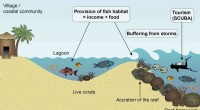
* Economic Benefits: Biodiversity supports tourism, recreation, and other industries. For example, ecotourism relies on the existence of diverse ecosystems and wildlife.
* Cultural and Spiritual Values: Biodiversity provides aesthetic beauty and inspiration, and many cultures value and respect different species.
Resilience:
* Adaptation to Change: A diverse ecosystem is more resilient to change, such as climate change, disease outbreaks, and environmental disturbances.
* Insurance Policy: Maintaining biodiversity acts as an insurance policy against future uncertainties. We may not know the full value of a species until it disappears.
In short, biodiversity is crucial for the health and stability of the biosphere, and ultimately, for the well-being of humans. Losing biodiversity can lead to cascading effects that threaten ecosystems, economies, and human health.