Negative Impacts:
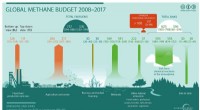
* Greenhouse Gas Emissions: Burning fossil fuels (coal, oil, natural gas) for energy releases carbon dioxide (CO2), methane (CH4), and nitrous oxide (N2O) into the atmosphere. These are greenhouse gases, which trap heat and contribute to global warming and climate change.
* Deforestation: Trees absorb CO2 from the atmosphere during photosynthesis. Deforestation removes these natural carbon sinks, further exacerbating climate change.
* Agriculture: Livestock farming releases methane, a potent greenhouse gas. Agriculture practices also contribute to nitrous oxide emissions and deforestation.
* Industrial Processes: Many industries release greenhouse gases and other pollutants into the atmosphere, such as sulfur dioxide (SO2) and nitrogen oxides (NOx).
* Air Pollution: Burning fossil fuels, industrial processes, and vehicle emissions release particulate matter, ozone, and other pollutants that harm human health and the environment.
* Ozone Depletion: Certain chemicals, like chlorofluorocarbons (CFCs), have been released into the atmosphere, depleting the ozone layer which protects us from harmful ultraviolet radiation.
Positive Impacts:
* Air Quality Improvement: Regulations on emissions from industries and vehicles have led to significant improvements in air quality in many cities.
* Carbon Capture and Storage: Technologies are being developed to capture CO2 from the atmosphere and store it underground, reducing emissions.
* Renewable Energy: Shifting to renewable energy sources like solar and wind power reduces greenhouse gas emissions.
* Reforestation: Planting trees can help absorb CO2 from the atmosphere and mitigate climate change.
Overall:
While humans have made some progress in mitigating their impact on the atmosphere, the overall effect remains negative. The continued release of greenhouse gases and other pollutants is altering the composition of the atmosphere, leading to:
* Climate Change: This includes rising global temperatures, more extreme weather events, changes in precipitation patterns, and sea level rise.
* Air Pollution: This contributes to respiratory illnesses, heart disease, and other health problems.
* Ocean Acidification: Increased CO2 absorption by the oceans makes them more acidic, harming marine life.
The Need for Action:
Addressing human impact on the atmosphere requires a global effort to reduce greenhouse gas emissions, promote renewable energy, protect forests, and invest in research and development. It's crucial to prioritize sustainable practices and policies to ensure a healthy and habitable planet for future generations.