Climate Change:
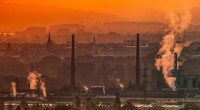
* Burning Fossil Fuels: The primary driver of climate change is the burning of fossil fuels like coal, oil, and natural gas. This releases greenhouse gases, primarily carbon dioxide, into the atmosphere, trapping heat and warming the planet.
* Deforestation: Forests absorb carbon dioxide from the atmosphere. When we cut down forests, we remove this vital carbon sink, contributing to climate change.
* Agriculture: Livestock farming releases significant amounts of methane, a potent greenhouse gas. Intensive agricultural practices also contribute to deforestation and soil degradation, further impacting the climate.
Pollution:
* Air Pollution: Burning fossil fuels, industrial emissions, and vehicle exhaust release harmful pollutants into the air, contributing to respiratory illnesses, smog, and acid rain.
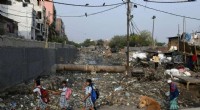
* Water Pollution: Industrial waste, agricultural runoff, and sewage discharge contaminate water sources, harming aquatic life and posing risks to human health.
* Plastic Pollution: The production and disposal of plastic pollute oceans, landfills, and ecosystems, harming marine life and accumulating in the environment.
Biodiversity Loss:
* Habitat Destruction: Human activities like deforestation, urbanization, and agriculture destroy habitats, leading to species extinction and loss of biodiversity.
* Overexploitation: Overfishing, poaching, and unsustainable harvesting practices deplete populations of plants and animals.
* Invasive Species: The introduction of non-native species can disrupt ecosystems, outcompete native species, and cause ecological damage.
Other Impacts:
* Overpopulation: A growing global population puts increasing strain on resources and the environment.
* Unsustainable Consumption: Overconsumption of resources, particularly energy and materials, drives environmental degradation.
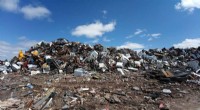
* Waste Generation: Excessive waste production, especially from single-use products, pollutes the environment and depletes resources.
What can we do?
* Reduce our carbon footprint: Transition to renewable energy sources, improve energy efficiency, and adopt sustainable transportation methods.
* Protect forests and ecosystems: Support reforestation efforts, sustainable forestry practices, and the preservation of natural habitats.
* Reduce waste and consumption: Choose reusable products, reduce food waste, and adopt a more sustainable lifestyle.
* Support conservation efforts: Contribute to organizations working to protect biodiversity and address environmental issues.
* Promote environmental education and awareness: Educate others about the importance of environmental protection and inspire action.
By understanding these issues and taking individual and collective action, we can mitigate our negative impacts on the Earth and work towards a more sustainable future.