Human Activities Drive Rapid Environmental Change:
* Land Use Change: Cities, farms, and infrastructure replace natural ecosystems like forests, wetlands, and grasslands. This disrupts natural processes, reduces biodiversity, and can lead to soil erosion, water pollution, and climate change.
* Pollution: Industrial processes, transportation, and agriculture release pollutants into the air, water, and soil. This can cause acid rain, smog, and toxic contamination, harming both human and ecological health.
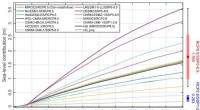
* Climate Change: Human-induced emissions of greenhouse gases like carbon dioxide are causing the Earth's atmosphere to warm, leading to rising sea levels, more extreme weather events, and shifts in ecological systems.
* Resource Depletion: Over-exploitation of natural resources like water, forests, and minerals can lead to their depletion, impacting ecosystems and human well-being.
* Introduction of Invasive Species: Human activities can accidentally or intentionally introduce invasive species, which can disrupt natural ecosystems and cause significant ecological damage.
Civilizations and Environmental Change:
* Population Growth: The rapid growth of human populations puts immense pressure on natural resources and ecosystems, intensifying the impacts described above.
* Technological Advancements: While technology can offer solutions, it also often drives new forms of environmental impact. For example, the production and disposal of electronic waste are major environmental concerns.
* Consumption Patterns: Our lifestyles and consumption habits, driven by consumerism and globalization, exert a heavy toll on the environment through the extraction, processing, and disposal of goods.
In summary: Civilizations, through their population growth, technological advancements, and consumption patterns, can significantly accelerate environmental change. This rapid change can have devastating consequences for ecosystems and human societies if not addressed effectively.