1. Time for adaptation:
* Gradual change: Allows species within the ecosystem to slowly adapt to new conditions through natural selection. This involves:
* Genetic mutations: Over time, beneficial mutations arise that help organisms survive and reproduce in the changing environment.
* Phenotypic plasticity: Organisms may alter their behavior or physiology within their lifetime to better suit the new conditions.
* Evolutionary shifts: Over generations, populations can evolve to become better suited to the new environment.
* Sudden disturbance: Doesn't give species time to adjust. The rapid change can overwhelm their ability to cope, leading to:
* Loss of individuals: Many organisms may die due to inability to survive the altered conditions.
* Reduced population sizes: Species with slow reproduction rates may struggle to recover.
* Loss of habitat: The disturbance may destroy critical habitats, further impacting species survival.
2. Resilience and recovery:
* Gradual change: Ecosystems can gradually adapt to new conditions, maintaining their overall function and resilience. This allows them to absorb the change and recover more easily.
* Sudden disturbance: Leads to greater ecosystem instability and potential collapse. The sudden loss of species and disruption of food webs can make it very difficult for the ecosystem to rebound.
3. Biodiversity:
* Gradual change: A diverse ecosystem is better equipped to handle gradual changes. Different species possess unique adaptations, so some may thrive while others decline, ultimately maintaining the overall ecosystem function.
* Sudden disturbance: Can have a greater impact on biodiversity, as species with narrow niches or specialized adaptations are particularly vulnerable.
4. Examples:
* Gradual climate change: Some species are shifting their ranges northward as temperatures rise. This gradual adaptation allows for continued ecosystem function.
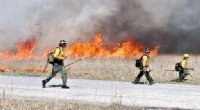
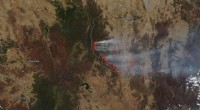
* Sudden wildfire: Can devastate an ecosystem, wiping out species and habitats, with long-term consequences for recovery.
In summary:
Gradual changes allow ecosystems to adapt through natural selection and evolutionary processes. Sudden disturbances, on the other hand, can overwhelm the capacity of species to adjust, leading to biodiversity loss and ecosystem instability.