Landscape formation is a dynamic process shaped by a complex interplay of factors, both internal and external to the Earth. Here are some key factors that contribute to the diverse landscapes we see:
1. Tectonic Activity:
* Plate tectonics: The movement of Earth's lithospheric plates creates mountains, volcanoes, valleys, and trenches.
* Earthquakes: Seismic activity can reshape landscapes by causing faulting, landslides, and tsunamis.
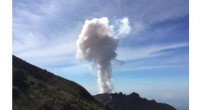
* Volcanism: Volcanic eruptions deposit lava flows, ash, and pyroclastic flows, forming volcanic cones, plateaus, and fertile soils.
2. Weathering and Erosion:
* Physical weathering: The breakdown of rocks due to factors like temperature changes, frost wedging, and abrasion.
* Chemical weathering: The decomposition of rocks through chemical reactions, like oxidation, hydrolysis, and carbonation.
* Erosion: The transportation of weathered material by agents like wind, water, and ice.
* Glaciation: The movement of glaciers can carve out valleys, create cirques, and deposit glacial till, shaping mountainous landscapes.
* Wind erosion: Wind can transport sand and dust, creating sand dunes, loess deposits, and wind-shaped rock formations.
* Water erosion: Running water carves rivers, canyons, and deltas, while coastal erosion shapes coastlines and cliffs.
3. Climate:
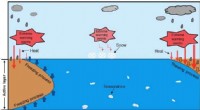
* Temperature: Affects the rate of weathering and erosion, influencing the types of vegetation that grow and the distribution of landscapes.
* Precipitation: Determines the amount of water available for erosion and the type of vegetation cover.
* Climate zones: Different climate zones lead to the formation of unique landscapes, such as deserts, forests, tundras, and grasslands.
4. Biological Processes:
* Vegetation: Roots can break up rocks, plant litter can create organic matter, and forests can influence soil formation and water runoff.
* Animals: Animals can create burrows, graze on vegetation, and transport seeds, all of which can impact landscape formation.
5. Human Activities:
* Agriculture: Land clearing for farming can lead to soil erosion, salinization, and desertification.
* Urbanization: Development can alter drainage patterns, increase pollution, and create artificial landscapes.
* Mining: Extracting resources can leave behind scars on the landscape, such as open pits and tailings ponds.
Interconnections and Feedback Loops:
These factors don't operate in isolation. They are interconnected and often influence each other in complex feedback loops. For example, tectonic activity can create mountains, which influence climate patterns, which in turn affect weathering and erosion, further shaping the landscape.
Time Scale:
Landscape formation is a process that takes place over vast time scales, from millions of years for tectonic activity to shorter periods for erosion and deposition. Understanding the interplay of these factors helps us appreciate the dynamic nature of our planet's surface and the intricate processes that shape our landscapes.