* Decreasing Air Pressure: As altitude increases, the air pressure decreases. This thinner air holds less heat, leading to a drop in temperature.
* Adiabatic Cooling: As air rises, it expands due to lower pressure. This expansion requires energy, which it takes from the air's internal heat, causing the air to cool. This is known as adiabatic cooling.
* Sunlight Absorption: The angle of sunlight hitting the Earth's surface is more direct at lower elevations. At higher altitudes, sunlight hits the surface at a steeper angle, spreading the energy over a larger area and reducing the overall heat absorption.
* Less Insulation: Higher elevations often have thinner air, which acts as less insulation against the cold of space.
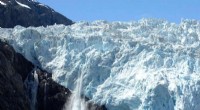
* Snow and Ice Cover: Snow and ice reflect sunlight, reducing the amount of heat absorbed by the ground. Mountaintops are often covered in snow and ice, further contributing to their coldness.
The lapse rate is a term used to describe the rate at which temperature decreases with altitude. The average lapse rate is about 3.5 degrees Fahrenheit for every 1000 feet increase in altitude. However, this rate can vary depending on factors like humidity and wind.
So, in summary, the combination of decreased air pressure, adiabatic cooling, less direct sunlight, thinner air insulation, and snow/ice cover all contribute to the colder temperatures found on mountaintops.