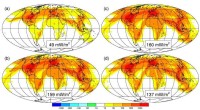
Here are some key features of savanna grasslands:
Climate:
* Distinct wet and dry seasons: The rainy season typically occurs in the summer months, with abundant rainfall. The dry season is characterized by little to no rain, and temperatures can be very high.
* Warm temperatures year-round: Savannas are located in warm regions with average temperatures above 64°F (18°C) throughout the year.
Vegetation:
* Dominated by grasses: The most abundant plant life is tall grasses, which can grow up to 10 feet high.
* Scattered trees: These trees are often drought-tolerant and have adaptations like deep roots and thick bark to survive the dry season. Examples include acacia, baobab, and palm trees.
* Limited understory: The dense grasses make it difficult for other plants to grow beneath the canopy.
Animals:
* Large herbivores: Savannas are home to a wide variety of large herbivores, including zebras, elephants, giraffes, and wildebeest, who graze on the grasses.
* Predators: These herbivores are preyed upon by large carnivores such as lions, leopards, cheetahs, and hyenas.
* Other animals: Savannas also support a variety of smaller animals, including insects, birds, and reptiles.
Fire:
* Natural part of the ecosystem: Fires are a regular occurrence in savannas, often ignited by lightning. These fires help to clear out dead vegetation and promote the growth of new grasses.
* Role in maintaining the balance: Fires prevent trees from dominating the landscape, helping to maintain the open grassland habitat.
Human impact:
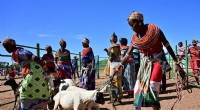
* Agriculture and livestock: Savannas are often used for agriculture and livestock grazing, which can lead to habitat loss and degradation.
* Climate change: Climate change is affecting savanna ecosystems, leading to changes in rainfall patterns and increasing the frequency and intensity of fires.
Savanna grasslands are unique and diverse ecosystems that play an important role in the global carbon cycle and provide habitat for a wide variety of animals.