* The cycle of life and death: The film highlights the inevitability of death and the cyclical nature of life. The characters face the realities of aging, illness, and mortality. The title itself reflects this theme, suggesting a return to the earth from which we came.
* Poverty and inequality: The film depicts the harsh realities of poverty in rural China. The protagonists, Yu and Guiying, struggle to survive with limited resources, facing discrimination and prejudice due to their social status. This theme exposes the stark inequalities that persist in society.
* Love and sacrifice: Despite their difficult circumstances, Yu and Guiying share a deep and enduring love. They are willing to make sacrifices for each other, highlighting the power of love in overcoming adversity.
* The resilience of the human spirit: Despite facing numerous challenges, Yu and Guiying demonstrate remarkable resilience. They persevere in the face of poverty, illness, and societal prejudice, highlighting the strength and adaptability of the human spirit.
* The importance of human connection: The film emphasizes the significance of human connection, particularly in the face of hardship. Yu and Guiying find solace and strength in their relationship, showcasing the importance of love, support, and companionship.
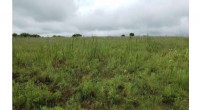
* The beauty of the natural world: The film captures the serene beauty of the rural landscape, providing a stark contrast to the harsh realities of poverty and suffering. Nature becomes a source of comfort and solace for the characters, highlighting its power to provide perspective and peace.
It's important to note that these themes are not isolated, but rather intertwined and interwoven throughout the film. "Return to Dust" offers a poignant and thought-provoking examination of human existence, showcasing the enduring power of love, resilience, and the cyclical nature of life.