1. Addressing the Root Cause: Desertification
* Sustainable Land Management:
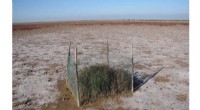
* Reforestation and Afforestation: Planting trees and vegetation stabilizes soil, reduces wind erosion, and improves soil health.
* Conservation Agriculture: Practices like no-till farming, crop rotation, and cover cropping minimize soil disturbance and improve soil fertility.
* Water Management: Efficient irrigation practices, water harvesting techniques, and water conservation measures prevent soil drying and salinization.
* Grazing Management: Controlled grazing patterns help prevent overgrazing, which degrades vegetation and exposes soil to erosion.
* Climate Change Mitigation:
* Reducing Greenhouse Gas Emissions: Transitioning to renewable energy sources and implementing carbon sequestration strategies can help mitigate climate change, which exacerbates desertification.
2. Protection and Mitigation Measures:
* Shelterbelts and Windbreaks: Rows of trees or shrubs planted perpendicular to prevailing winds can reduce wind speed and trap dust particles.
* Dust Suppression:
* Water Sprinklers: Sprinkling water on exposed soil can help bind dust particles together.
* Dust Suppressants: Applying chemical dust suppressants can temporarily reduce dust emissions, but environmental impact needs careful consideration.
* Mulching: Covering exposed soil with organic mulch helps retain moisture and suppress dust.
* Infrastructure and Building Design:
* Dust-Resistant Buildings: Incorporating features like air filters, dust-proof windows, and sealed doors into buildings can reduce dust infiltration.
* Road and Pavement Construction: Paved roads and surfaces minimize dust generated by vehicle traffic.
* Early Warning Systems:
* Dust Storm Forecasting: Monitoring weather patterns and using advanced models can provide early warnings for dust storm events, allowing for preparation and evacuation if necessary.
3. Public Health and Safety:
* Air Quality Monitoring: Continuous monitoring of air quality during dust storms can inform public health recommendations.
* Public Health Measures:
* Masks and Respirators: Wearing masks or respirators can protect individuals from inhaling dust particles.
* Staying Indoors: Remaining indoors during dust storms can minimize exposure.
* Awareness Campaigns: Educating the public about the health risks associated with dust storms and providing guidance on protective measures is essential.
Key Considerations:
* Community Involvement: Effective dust storm mitigation requires collaboration between governments, communities, and individuals.
* Resource Constraints: Implementing sustainable land management and mitigation measures can be resource-intensive, requiring financial support and long-term planning.
* Environmental Impact: The environmental impact of mitigation measures must be carefully considered. Chemical dust suppressants and irrigation practices can have unintended consequences.
Conclusion:
Protecting land and people from dust storms necessitates a comprehensive approach that addresses the root cause of desertification, implements preventive measures, and ensures public health and safety. Collaborative efforts, innovative solutions, and sustained commitment are crucial for mitigating the impacts of these natural hazards.