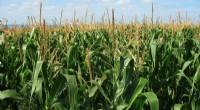
* Native American Knowledge: The Powhatan people, who lived in the area, had a vast knowledge of local plants and agriculture. They taught the colonists some of their techniques, including how to cultivate corn, beans, and squash. However, the relationship between the colonists and the Powhatan was often strained, and there was a lack of trust and understanding between the two groups.
* John Rolfe: John Rolfe, a prominent figure in the Jamestown colony, is often credited with introducing tobacco cultivation. He learned the process from the natives and played a significant role in establishing tobacco as a major cash crop for the colony. However, it's important to note that tobacco was already widely cultivated in the Americas by Native Americans before the colonists arrived.
* English Knowledge: The colonists brought with them their own agricultural knowledge, but it wasn't always suited to the climate and conditions of Virginia. They experimented with crops like wheat and barley, but these had limited success.
* Trial and Error: The colonists also learned through trial and error. They adapted their techniques and experimented with different crops over time, eventually finding ways to successfully cultivate food in the new environment.
So, it wasn't just one person or group. The knowledge about growing plants in Jamestown came from a combination of Native American expertise, English agricultural practices, and the colonists' own experimentation and adaptation.