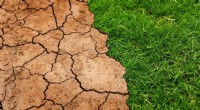
1. Temperature
* Heating and Cooling: Temperature drives atmospheric circulation. Warm air is less dense and rises, creating areas of low pressure. Cool air is denser and sinks, creating areas of high pressure. This constant cycling of air is the foundation of weather systems.
* Evaporation and Condensation: Higher temperatures lead to increased evaporation from water bodies and soil. This evaporated water vapor then condenses in the atmosphere, forming clouds and ultimately precipitation.
* Extreme Events: Temperature plays a significant role in heat waves, cold snaps, and the intensity of storms.
2. Air Pressure
* Wind Direction and Speed: Air flows from areas of high pressure to areas of low pressure, creating wind. The larger the pressure difference, the stronger the wind.
* Storm Formation: Low-pressure systems often bring stormy weather because the rising air creates clouds and precipitation. High-pressure systems typically bring fair and calm weather.
* Wind Chill: Cold temperatures combined with strong winds can make it feel much colder than the actual temperature, due to heat loss from the body.
3. Humidity
* Cloud Formation: Moisture in the air (humidity) is essential for cloud formation. When warm, moist air rises and cools, the water vapor condenses into tiny water droplets or ice crystals, forming clouds.
* Precipitation: High humidity can lead to heavier rainfall, snow, or other precipitation.
* Comfort: Humidity plays a significant role in how comfortable we feel. High humidity can make it feel hotter, while low humidity can make it feel drier and colder.
4. Wind
* Transportation of Heat and Moisture: Wind moves heat and moisture around the globe, influencing temperature and precipitation patterns.
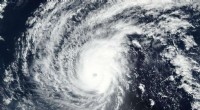
* Storm Development: Winds can fuel the development of storms, especially tornadoes and hurricanes.
* Erosion and Transportation: Strong winds can cause erosion, transporting sand, dust, and other materials.
5. Precipitation
* Water Supply: Precipitation is the primary source of water for plants, animals, and humans.
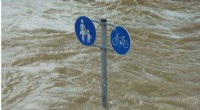
* Soil Erosion: Heavy rainfall can lead to soil erosion and flooding.
* Climate Regulation: Precipitation influences the Earth's energy balance by reflecting sunlight and absorbing heat.
6. Cloud Cover
* Temperature Regulation: Clouds reflect sunlight, keeping the surface cooler during the day. They can also trap heat at night, preventing temperatures from dropping too low.
* Precipitation: Clouds are the source of all precipitation.
* Visibility: Cloud cover can significantly impact visibility, affecting air and sea travel.
Interconnectedness:
It's important to note that these weather elements are interconnected. Changes in one element can trigger changes in others. For example, an increase in temperature can lead to increased evaporation, which increases humidity and can ultimately lead to more precipitation.
Weather is a complex system, and understanding the interplay of these basic elements is crucial for forecasting and understanding weather patterns.