Humans:
* Air pollution: Can lead to respiratory problems like asthma, bronchitis, and lung cancer. It also contributes to cardiovascular diseases, stroke, and premature death.
* Water pollution: Contaminated water can cause various illnesses, including diarrhea, cholera, and typhoid fever. Exposure to heavy metals like lead and mercury can lead to developmental problems, neurological disorders, and even death.
* Soil pollution: Ingesting contaminated food grown in polluted soil can cause health problems. Exposure to toxins in the soil can also lead to cancer and other chronic diseases.
* Noise pollution: Constant exposure to loud noise can lead to hearing loss, stress, hypertension, and sleep disturbances.
Animals:
* Habitat destruction: Pollution can destroy habitats, making it difficult for animals to find food, shelter, and breeding grounds.
* Toxicity: Animals can ingest or absorb pollutants through water, food, or their skin, leading to poisoning, disease, and even death.
* Behavioral changes: Pollution can disrupt animal behavior, leading to changes in migration patterns, mating rituals, and feeding habits.
* Population decline: Pollution contributes to the decline of many animal populations, leading to biodiversity loss and ecosystem instability.
Plants:
* Air pollution: Pollutants like sulfur dioxide and nitrogen oxides damage plant leaves and reduce their ability to photosynthesize.
* Water pollution: Contaminated water can damage plant roots and prevent them from absorbing nutrients.
* Soil pollution: Toxins in the soil can inhibit plant growth, leading to stunted growth, decreased yield, and even death.
* Acid rain: Acid rain, caused by air pollution, can damage plant tissues and make them more susceptible to disease.
Overall impacts:
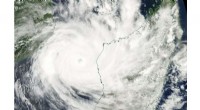
* Climate change: Pollution, especially from burning fossil fuels, contributes to global warming and climate change, leading to more extreme weather events, sea-level rise, and habitat loss.
* Biodiversity loss: Pollution contributes to the decline of species and ecosystems, leading to a loss of biodiversity and ecosystem services.
* Economic costs: Pollution leads to significant economic costs, including healthcare expenses, property damage, and lost productivity.
Solutions:
* Reduce our reliance on fossil fuels: Transition to renewable energy sources like solar and wind power.
* Reduce waste and promote recycling: This reduces pollution from landfills and the production of new products.
* Promote sustainable agriculture: Use practices that minimize pollution and protect the environment.
* Clean up existing pollution: Implement regulations and technologies to reduce pollution from existing sources.
* Educate and engage the public: Raise awareness about pollution and its impacts, and empower people to take action.
By taking steps to reduce pollution, we can protect our health, the environment, and the future of our planet.