Natural risk is the potential for a natural hazard to cause harm to humans and their assets. It's a complex concept involving three key elements:
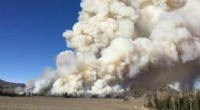
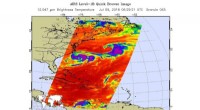
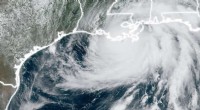
1. Natural Hazard: This is a naturally occurring event that can cause damage or loss. Examples include earthquakes, floods, volcanic eruptions, hurricanes, tsunamis, and droughts.
2. Vulnerability: This refers to the susceptibility of people, property, and systems to the impacts of a natural hazard. It's influenced by factors like poverty, lack of infrastructure, inadequate housing, and poor planning.
3. Exposure: This refers to the presence of people, assets, and infrastructure in areas that are prone to natural hazards. For example, building houses in a flood plain increases exposure to flooding risk.
Natural risk is therefore the product of hazard, vulnerability, and exposure.
Example:
* Hazard: An earthquake
* Vulnerability: A city with poorly constructed buildings and inadequate emergency response systems.
* Exposure: A high population density in the city.
This combination creates a high natural risk for the city in the event of an earthquake.
Understanding and managing natural risk is crucial for:
* Disaster preparedness: Taking proactive measures to reduce the potential impacts of natural hazards.
* Risk reduction: Implementing strategies to decrease vulnerability and exposure.
* Sustainable development: Planning for and managing development in ways that minimize risks.
Key factors affecting natural risk:
* Climate change: Increasing frequency and intensity of extreme weather events.
* Population growth: More people living in hazard-prone areas.
* Urbanization: Concentration of population and infrastructure in vulnerable locations.
* Environmental degradation: Loss of natural buffers and ecosystems that provide protection.
* Socioeconomic factors: Poverty, inequality, and lack of access to resources increase vulnerability.
By understanding and managing natural risk, we can minimize the impacts of natural hazards and build more resilient communities.