Conserving our air resources is crucial for a healthy planet and its inhabitants. Here are some key methods:
1. Reduce Emissions:
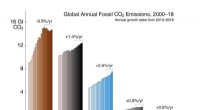
* Transition to Renewable Energy: Shifting away from fossil fuels (coal, oil, natural gas) towards renewable sources like solar, wind, hydro, and geothermal power minimizes air pollution.
* Improve Fuel Efficiency: Promoting fuel-efficient vehicles, encouraging carpooling, and investing in public transportation all reduce emissions from transportation, a major source of air pollution.
* Energy Conservation: Implementing energy-saving measures in homes and businesses reduces reliance on fossil fuels for electricity generation.
* Industrial Emissions Control: Implementing stricter regulations and advanced technologies for industries like manufacturing, power plants, and agriculture to reduce emissions of harmful pollutants.
2. Promote Sustainable Practices:
* Responsible Agriculture: Implementing sustainable farming practices like crop rotation, no-till farming, and reduced fertilizer use minimizes emissions from agricultural activities.
* Waste Management: Proper waste disposal, recycling, and composting minimize emissions from landfills and waste incineration.
* Deforestation Prevention: Protecting forests, which act as natural carbon sinks, is crucial for mitigating climate change and air pollution.
3. Improve Air Quality Monitoring:
* Advanced Monitoring Systems: Establishing comprehensive air quality monitoring networks to track pollutants and identify pollution hotspots.
* Real-Time Data Access: Providing public access to real-time air quality data empowers citizens to make informed decisions about their health and environment.
4. Enhance Public Awareness:
* Education and Outreach: Raising awareness about air pollution, its health impacts, and individual actions that can help reduce emissions.
* Community Engagement: Involving communities in air quality monitoring, pollution reduction initiatives, and policy-making processes.
5. Implement Policy Measures:
* Regulation and Enforcement: Stricter regulations on emissions from vehicles, industries, and other sources are essential to control air pollution.
* Incentives for Clean Technologies: Offering financial incentives and tax breaks for adopting cleaner technologies and renewable energy sources.
* International Cooperation: Collaborating with other countries to address transboundary air pollution and tackle climate change.
By implementing these methods, we can effectively conserve our air resources, protect public health, and ensure a sustainable future for generations to come.