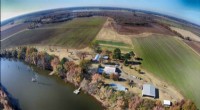
Land use conflicts arise when different groups or individuals have competing interests or needs for a particular piece of land. These conflicts can manifest in various ways, but some common forms include:
1. Development vs. Conservation:
* Urban sprawl vs. wildlife habitat: Expanding cities encroaching on natural areas can displace wildlife, threaten biodiversity, and disrupt ecosystem services.
* Commercial development vs. protected areas: Building shopping malls, factories, or housing developments on protected land (e.g., parks, nature reserves) can destroy unique ecosystems and natural beauty.
* Tourism vs. environmental integrity: Increased tourism can lead to pollution, habitat destruction, and disruption of local communities, creating tensions with conservation goals.
2. Agriculture vs. Other Uses:
* Farming vs. urban development: Expansion of cities can push farmers off their land, leading to food security concerns and loss of agricultural knowledge.
* Livestock grazing vs. water resources: Overgrazing can lead to soil erosion, water pollution, and conflicts with other water users like farmers or communities.
* Intensive agriculture vs. wildlife habitat: Monoculture farming practices can destroy biodiversity and disrupt ecosystems, impacting both wildlife and human communities.
3. Resource Extraction vs. Community Needs:
* Mining vs. indigenous communities: Mining operations can displace communities, contaminate water sources, and damage cultural heritage sites, leading to conflict with local populations.
* Logging vs. recreation: Clear-cutting forests can destroy scenic landscapes, harm wildlife, and negatively impact recreation opportunities like hiking and fishing.
* Oil and gas drilling vs. environmental protection: Exploration and extraction activities can pollute water and air, threaten endangered species, and disrupt local communities.
4. Recreation vs. Preservation:
* Hiking vs. fragile ecosystems: Heavy foot traffic in sensitive areas can lead to soil erosion, damage vegetation, and disrupt wildlife populations.
* Off-road vehicle use vs. protected lands: Off-road vehicles can damage fragile ecosystems, disturb wildlife, and create noise pollution, impacting the enjoyment of nature for others.
* Sporting events vs. cultural sites: Holding large sporting events on culturally significant lands can damage archaeological sites, disrupt traditional practices, and create tension with indigenous communities.
5. Public Access vs. Private Ownership:
* Coastal development vs. public access to beaches: Private development can restrict public access to coastal areas, impacting recreation and enjoyment of public resources.
* Urban green spaces vs. private property: Development pressures can lead to the loss of public parks and green spaces, negatively impacting mental and physical well-being.
* Access to waterways vs. private land ownership: Navigating waterways can be restricted by private land ownership, limiting recreational opportunities and creating conflicts with property owners.
6. Societal Values vs. Economic Interests:
* Sustainability vs. economic growth: Balancing environmental protection with economic development can lead to conflicts, as short-term economic gains may come at the cost of long-term sustainability.
* Social equity vs. development projects: Development projects can disproportionately impact marginalized communities, leading to social inequities and conflicts over land use.
* Cultural heritage vs. commercial development: Preserving cultural heritage sites can clash with economic interests, especially when development promises economic growth but threatens historical landmarks or traditional practices.
7. Climate Change Impacts:
* Sea level rise vs. coastal development: Rising sea levels can threaten coastal infrastructure and displace communities, creating conflicts over land use and relocation strategies.
* Drought vs. water allocation: Drought conditions can exacerbate conflicts over water resources, particularly between agriculture, urban areas, and environmental needs.
* Extreme weather events vs. infrastructure: Increased frequency and intensity of extreme weather events can damage infrastructure, necessitate relocation, and disrupt land use patterns.
It's important to note that these are just a few examples, and the specific types of land use conflicts can vary depending on the location, cultural context, and specific resources at stake. Addressing these conflicts requires careful planning, communication, and collaboration among stakeholders to find solutions that balance competing interests and ensure sustainable land use.