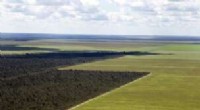
1. Great Plains:
* Vast, flat, and fertile grasslands: This landscape is ideal for agriculture, making farming the dominant economic activity. Wheat, corn, and cattle ranching are major industries.
* Limited water resources: This has historically led to challenges with irrigation and water management.
* Wind: Wind power has become a significant industry, particularly in states like Kansas and Oklahoma.
2. Ozark Mountains:
* Rugged terrain: This landform supports forestry, mining (coal, lead, zinc), and tourism.
* Abundant forests: Timber production has historically been important, and eco-tourism is growing.
* Sparse population: The challenging terrain limits agricultural opportunities, leading to a more dispersed population and a dependence on natural resources.
3. Mississippi River Valley:
* Fertile floodplains: The river's annual flooding deposits rich silt, making the valley ideal for agriculture.
* Transportation corridor: The Mississippi River provides crucial waterway access for shipping goods.
* Urban centers: Major cities along the river, like St. Louis and Memphis, are hubs for industry, commerce, and transportation.
4. The "Driftless Area" (in Wisconsin, Iowa, and Minnesota):
* Rolling hills and bluffs: This unique landform, untouched by glaciers, offers scenic beauty and attracts tourists.
* Varied topography: The area supports agriculture, but the challenging terrain also fosters small-scale farming and a focus on local food production.
5. The Great Lakes Region:
* Large freshwater lakes: These provide crucial water resources for drinking, irrigation, and transportation.
* Fishing industry: The lakes support a thriving fishing industry, both commercial and recreational.
* Tourism and recreation: The lakes are a major draw for tourists, supporting hotels, restaurants, and recreational activities.
6. The Black Hills of South Dakota:
* Rugged mountains and forests: This landform supports mining (gold, uranium), forestry, and tourism.
* Mount Rushmore: A national monument and major tourist attraction, bringing in significant revenue.
* Native American history: The Black Hills hold significant cultural and spiritual significance for many Native American tribes.
In summary:
The central US has a diverse landform landscape that has influenced the way people make a living. While agriculture is a major industry in many areas, other industries have developed based on specific landforms, such as forestry, mining, tourism, and fishing. The challenges and opportunities presented by these landforms have shaped the history and culture of the region.