1. Disruption of the Food Web:
* Primary Producers Gone: Algae form the base of the aquatic food web, acting as primary producers. They convert sunlight into energy through photosynthesis, providing food for a vast array of organisms, from tiny zooplankton to large whales. Without algae, this entire food web would collapse, leading to starvation and potential extinction of many species.
* Impact on Herbivores: Fish, shellfish, and other herbivores rely heavily on algae for sustenance. Their populations would plummet, severely impacting populations of larger predators that feed on them.
* Ripple Effects Up the Chain: The decline in herbivores would subsequently affect the populations of larger fish, marine mammals, birds, and other carnivores, leading to a cascading effect throughout the food chain.
2. Oxygen Depletion:
* Photosynthesis Loss: Algae are responsible for a significant portion of the oxygen produced on Earth through photosynthesis. Their absence would lead to a drastic reduction in oxygen levels in the water, making it difficult for aquatic animals to breathe and survive.
* Dead Zones: With reduced oxygen levels, aquatic ecosystems would become more susceptible to "dead zones," areas with little to no oxygen that cannot support life.
3. Nutrient Cycling Disrupted:
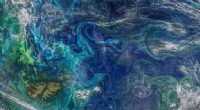
* Essential Nutrients: Algae play a vital role in nutrient cycling by absorbing dissolved nutrients like nitrates and phosphates. Without them, these nutrients would accumulate in the water, potentially leading to eutrophication (excessive growth of other organisms) or harmful algal blooms.
4. Coral Reefs Devastated:
* Coral Dependence: Many coral reefs depend on symbiotic relationships with algae (zooxanthellae) for food and energy. Without algae, these reefs would bleach and die, causing significant damage to these critical marine ecosystems.
5. Impacts on the Atmosphere and Climate:
* Carbon Dioxide Accumulation: Algae absorb a considerable amount of carbon dioxide from the atmosphere during photosynthesis. Their absence would lead to an increase in atmospheric CO2 levels, further exacerbating climate change.
6. Human Impacts:
* Fisheries Decline: The collapse of fisheries due to the loss of algae would have a major impact on the livelihoods of millions of people who depend on fishing for food and income.
* Reduced Coastal Protection: Seaweed forests, composed of large algae, act as natural buffers, protecting coastlines from erosion. Their disappearance would make coastal communities more vulnerable to storms and flooding.
In summary, the disappearance of algae would trigger a catastrophic chain reaction in aquatic ecosystems and beyond, affecting every level of the food web, disrupting oxygen levels, impacting nutrient cycling, and contributing to climate change. This event would have far-reaching consequences for the planet and its inhabitants.