1. Extreme Cold:
* Low Temperatures: Winter temperatures can plummet to well below freezing, often reaching -20°C (-4°F) or even colder. This extreme cold poses a risk to health, requiring special clothing, housing insulation, and heating systems.
* Frostbite and Hypothermia: Exposure to severe cold increases the risk of frostbite and hypothermia, potentially leading to serious injury or even death.
2. Heavy Snowfall:
* Accumulation: Mountains receive massive amounts of snowfall during winter, often exceeding several meters in depth. This heavy snowfall can lead to:
* Roof Collapse: The weight of snow can cause roofs to collapse, threatening the safety of residents.
* Blocked Roads and Access: Snow can block roads, making it difficult to travel, access essential services, and transport goods.
* Avalanche Risk: Heavy snowfall increases the risk of avalanches, which can be devastating and life-threatening.
3. Limited Daylight:
* Short Days: Winter days are short in northern latitudes, with limited sunlight hours. This lack of sunlight can affect mood and energy levels, leading to seasonal affective disorder (SAD).
4. Harsh Wind Conditions:
* Strong Winds: High-altitude winds can be extremely strong and biting, making it difficult to travel and even dangerous to be outside.
* Wind Chill: Strong winds can create a wind chill effect, making the air temperature feel even colder than it actually is, further increasing the risk of frostbite.
5. Limited Resources:
* Food Production: The short growing season and harsh winter conditions make it difficult to grow food in mountainous regions.
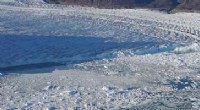
* Water Access: Frozen water sources and snow-covered landscapes can limit access to potable water.
6. Isolated Communities:
* Difficult Access: Mountainous terrain and harsh winter conditions make it challenging to access and connect with other communities, leading to isolation.
* Limited Services: Access to healthcare, education, and other essential services can be limited in remote mountain regions.
These factors make living in northern mountains during winter a significant challenge, requiring careful planning, adaptation, and resilience to survive and thrive in such a demanding environment.