Immediate Effects:
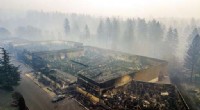
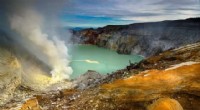
* Smoke Plume: The most visible impact is the thick smoke plume that rises from the fire. This smoke contains a complex mixture of pollutants, including:
* Particulate Matter (PM): Tiny particles that can penetrate deep into the lungs, posing health risks, especially to people with respiratory issues.
* Carbon Monoxide (CO): A colorless, odorless gas that can reduce oxygen carrying capacity in the blood.
* Volatile Organic Compounds (VOCs): Gaseous chemicals that contribute to ground-level ozone formation and can cause respiratory problems.
* Nitrogen Oxides (NOx): Gasses that contribute to acid rain and respiratory problems.
* Sulfur Dioxide (SO2): A gas that can irritate the respiratory system and contribute to acid rain.
* Reduced Visibility: Smoke can drastically reduce visibility, impacting traffic and air travel.
* Respiratory Issues: The smoke plume can cause coughing, wheezing, shortness of breath, and other respiratory issues, particularly in vulnerable populations like children, the elderly, and those with existing respiratory conditions.
* Eye Irritation: Smoke can also irritate the eyes, causing redness, burning, and tearing.
* Heat Waves: Intense fires can contribute to local heat waves, exacerbating existing heat-related health problems.
Long-Term Effects:
* Climate Change: Forest fires release vast amounts of greenhouse gases (carbon dioxide, methane, etc.) into the atmosphere, contributing to global warming.
* Air Quality Degradation: Smoke particles can travel long distances, affecting air quality in downwind regions for days or even weeks.
* Acid Rain: Sulfur dioxide and nitrogen oxides released by forest fires contribute to acid rain, damaging ecosystems and infrastructure.
* Reduced Biodiversity: The loss of forest habitat due to fires can impact biodiversity, impacting the balance of ecosystems.
* Water Quality: Runoff from burned areas can contaminate water sources with ash, chemicals, and sediment, harming aquatic life and human health.
* Economic Impact: Fires can cause extensive economic damage, impacting tourism, timber industries, and property values.
It's important to note that:
* Fire intensity and size: The effects of a forest fire on air quality depend on the size, intensity, and duration of the fire, as well as the surrounding weather conditions.
* Pre-existing air quality: The impact of smoke on air quality is compounded by the pre-existing air quality in the region.
* Mitigation strategies: Measures such as prescribed burning, forest management, and air quality monitoring can help mitigate the negative impacts of forest fires on air quality.
In conclusion, large forest fires have a significant and lasting impact on air quality, posing health risks, damaging ecosystems, and affecting global climate. Effective prevention and mitigation strategies are crucial to minimize these impacts.