Adaptations of Plants:
* Low Light Tolerance: The understory receives very little sunlight, often only 1-2% of what reaches the canopy. Plants have adapted to survive in these dim conditions:
* Large, Broad Leaves: These maximize the surface area for capturing the limited available light.
* Thin Leaves: This allows light to penetrate more easily to the lower layers of the plant.
* Chlorophyll Distribution: Plants often concentrate chlorophyll on the upper surface of their leaves, where light levels are highest.
* Epiphytes: These plants grow on other plants, like trees, to reach higher light levels.
* Rapid Growth: When light conditions briefly improve, understory plants can grow quickly to take advantage of the temporary opportunity.
* Adapting to Moisture:
* Water-Holding Capacity: Plants like ferns and mosses can store significant amounts of water.
* Shallow Roots: Many plants develop shallow roots to take advantage of the moisture near the surface.
* Nutrient Efficiency:
* Limited Nutrients: The soil in the understory is often poor in nutrients. Plants have adapted to efficiently extract nutrients from the limited supply.
* Mycorrhizal Fungi: These fungi form symbiotic relationships with plant roots, helping them to access nutrients.
* Seed Dispersal: Plants rely on various strategies to disperse their seeds, such as wind, animals, or water.
Adaptations of Animals:
* Camouflage: Many animals, such as insects and reptiles, have developed patterns and colors that allow them to blend into the dense foliage.
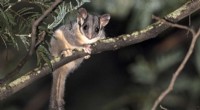
* Nocturnal Activity: Many animals are active at night, when there is less competition for food and predators are less active.
* Specialized Diets: Animals have adapted to eat a variety of food sources available in the understory, including fallen fruits, insects, and small vertebrates.
* Arboreal Lifestyle: Many animals, like monkeys and sloths, are adapted for living in trees. They have strong limbs, sharp claws, and prehensile tails.
* Sound Communication: Since visibility is limited, animals rely on sound communication for finding food, mates, and avoiding predators.
Overall, the understory layer is a challenging but vibrant environment. Plants and animals have evolved a remarkable array of adaptations to thrive in this unique habitat.