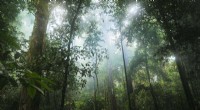
El Yunque, a precious rainforest gem, faces various threats from human activity. Here are some strategies to mitigate the negative impact:
1. Protecting the Forest Ecosystem:
* Conserving biodiversity:
* Strict enforcement of anti-poaching laws: This protects endangered species like the Puerto Rican Parrot and the Coquí frog.
* Controlling invasive species: Eradicating invasive plants like the African tulip tree that disrupt native plant life.
* Maintaining water quality:
* Protecting watersheds: Minimizing pollution from agricultural runoff and sewage.
* Regulating water extraction: Ensuring sustainable use of water resources.
* Controlling fire risk:
* Promoting responsible fire management: Implementing controlled burns to mitigate wildfire risks.
* Enforcing strict fire regulations: Prohibiting open fires and educating visitors about fire safety.
2. Sustainable Tourism and Recreation:
* Encouraging responsible tourism:
* Implementing visitor quotas: Limiting the number of tourists to prevent overcrowding and damage to trails.
* Promoting ecotourism: Encouraging activities like guided nature walks and birdwatching, emphasizing environmental awareness.
* Improving infrastructure:
* Upgrading trails and facilities: Maintaining paths to reduce erosion and impact on the forest.
* Providing alternative transportation options: Encouraging public transportation and bike usage to reduce carbon emissions.
* Educating visitors:
* Providing information about the importance of the forest: Raising awareness about its ecological significance and the need for conservation.
* Encouraging ethical behavior: Promoting responsible practices like staying on designated trails and respecting wildlife.
3. Sustainable Management and Research:
* Implementing scientific monitoring:
* Tracking biodiversity and ecosystem health: Understanding the impact of human activities on the forest.
* Developing effective conservation strategies: Using scientific data to guide management decisions.
* Encouraging sustainable forest management practices:
* Promoting selective logging: Harvesting timber in a way that minimizes damage to the forest.
* Implementing reforestation programs: Planting trees to restore areas impacted by human activities.
* Supporting scientific research:
* Facilitating research projects: Allowing researchers to study the forest and contribute to its conservation.
* Sharing research findings: Disseminating knowledge to inform conservation efforts.
4. Community Engagement and Collaboration:
* Engaging local communities:
* Involving local residents in conservation efforts: Providing opportunities for them to participate in forest management and protection.
* Supporting local businesses that promote sustainable tourism: Encouraging economic activities that benefit the environment.
* Building partnerships with conservation organizations:
* Sharing resources and expertise: Collaborating with NGOs to implement conservation programs.
* Advocating for policy changes: Working together to address threats to the forest.
By implementing these strategies, stakeholders can work collaboratively to reduce human impact and ensure the long-term health and resilience of El Yunque National Forest, preserving its unique biodiversity and beauty for generations to come.