Disadvantages:
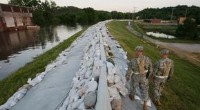
* Flooding: The most significant factor. The floodplain is prone to frequent and unpredictable flooding, which can destroy crops, damage infrastructure, and make farming unreliable.
* Soil fertility: While the soil is rich in nutrients, it can be too heavy and poorly drained due to the constant presence of water, hindering plant growth.
* Erosion: The constant flow of water can cause significant erosion, washing away topsoil and leaving behind less fertile land.
* Disease and pests: Standing water creates ideal conditions for the spread of plant diseases and pests, making crop management challenging.
Advantages:
* Rich alluvial soil: The flooding deposits rich silt and clay, creating fertile soil with high organic matter.
* Water availability: The proximity to the river provides ample water for irrigation.
* Flat topography: The floodplain is generally flat, making it easier to cultivate and mechanize agriculture.
Overall:
The Mississippi Floodplain's disadvantages outweigh its advantages for most crops. While some crops, like rice, can tolerate flooding and thrive in these conditions, most other crops struggle. This is why the area is primarily used for livestock grazing and pastureland, not large-scale crop production.
Other areas in the United States that are known for their agricultural productivity:
* California's Central Valley: Known for its diverse crops and reliable irrigation system.
* The Great Plains: Ideal for growing grains like wheat, corn, and soybeans.
* The Midwest: Characterized by fertile soils and a favorable climate for producing corn, soybeans, and livestock.
So, while the Mississippi Floodplain does have some fertile areas, it's not generally considered one of the best places to grow crops due to its challenging conditions.