1. Habitat Loss and Fragmentation:
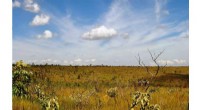
* Habitat Loss: Clearing forests directly destroys habitats for countless species, from insects to large mammals, leading to population declines and even extinctions.
* Fragmentation: Remaining forest patches become isolated, reducing biodiversity and limiting movement and gene flow between populations.
2. Altered Water Cycle:
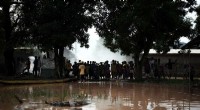
* Reduced Water Retention: Forests act as sponges, absorbing and releasing water slowly. Deforestation disrupts this process, leading to increased runoff, flooding, and erosion.
* Changes in Precipitation Patterns: Forests influence local rainfall patterns. Their removal can lead to drier conditions, impacting local water availability and ecosystem services.
3. Climate Change:
* Reduced Carbon Sequestration: Forests are major carbon sinks, absorbing CO2 from the atmosphere. Deforestation releases stored carbon, contributing to climate change.
* Increased Greenhouse Gas Emissions: Burning forests for land clearing releases significant amounts of greenhouse gases into the atmosphere.
4. Soil Degradation:
* Erosion: Removal of forest cover exposes the soil to wind and rain, leading to erosion and nutrient loss.
* Loss of Soil Fertility: Forest soils are rich in nutrients. Deforestation can deplete these nutrients, reducing soil fertility and hindering plant growth.
5. Changes in Biodiversity:
* Species Loss: Deforestation directly affects the diversity of plants and animals, leading to loss of food sources, nesting sites, and other resources.
* Introduced Species: Cleared areas are often vulnerable to invasive species that can outcompete native species and disrupt ecosystems.
6. Impact on Indigenous Communities:
* Displacement: Indigenous communities often depend on forests for their livelihoods and cultural practices. Deforestation can displace communities and disrupt traditional ways of life.
7. Economic Impacts:
* Loss of Ecosystem Services: Forests provide valuable ecosystem services, such as clean air and water, pollination, and flood control. Deforestation reduces these services, impacting economies and human well-being.
Overall, clearing forests has significant and often irreversible consequences for ecosystems. It is vital to promote sustainable forest management practices to protect these valuable resources and ensure the long-term health of our planet.