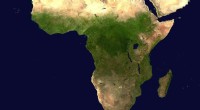
* Latitude: This is a major factor because it determines the amount of solar radiation a region receives. Areas closer to the equator receive more direct sunlight and have warmer temperatures than areas further away.
* Altitude: Higher elevations generally have cooler temperatures due to the thinner atmosphere and reduced air pressure.
* Ocean Currents: These currents transport heat and moisture around the globe, influencing temperature and precipitation patterns.
* Topography: The shape of the land can influence wind patterns, precipitation distribution, and temperature variations. For example, mountain ranges create rain shadows, resulting in drier conditions on their leeward sides.
* Distance from the Sea: Coastal areas are typically moderated by the ocean, experiencing milder temperatures and higher humidity than inland regions.
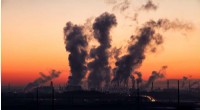
* Greenhouse Gases: These gases, such as carbon dioxide and methane, trap heat in the atmosphere, contributing to the Earth's overall temperature.
* Human Activities: Activities like deforestation, urbanization, and fossil fuel burning can significantly alter local and global climates.
Ultimately, all these factors work together in a complex interplay to determine the climate of a region. It's not a matter of one factor being more important than the others.