The Sun:
* Solar Radiation: The sun provides the primary energy source for Earth's climate system. It emits electromagnetic radiation, which warms the planet's surface. This energy drives many important processes:
* Temperature: The amount of solar radiation received at different latitudes (due to the Earth's tilt) dictates different temperature zones on the planet.
* Evaporation: Solar energy heats water bodies, leading to evaporation.
* Winds: Uneven heating of the Earth's surface creates temperature differences, which drive atmospheric circulation and wind patterns.
* Ocean Currents: Solar radiation influences the temperature of ocean water, driving ocean currents that distribute heat around the globe.
The Water Cycle:
* Evaporation: Solar energy drives the evaporation of water from oceans, lakes, and rivers. This water vapor rises into the atmosphere.
* Condensation: As the warm, moist air rises, it cools and the water vapor condenses into clouds.
* Precipitation: Water droplets in clouds grow heavier and eventually fall back to Earth as precipitation (rain, snow, sleet, or hail).
* Runoff: Precipitation that falls on land flows into rivers, streams, and lakes, eventually returning to the oceans.
How they work together:
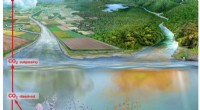
* Greenhouse Effect: Water vapor is a powerful greenhouse gas, meaning it traps heat in the atmosphere. This effect warms the Earth's surface and contributes to global temperatures.
* Heat Transport: The water cycle plays a crucial role in distributing heat around the planet. Evaporation in warm regions carries heat into the atmosphere, while condensation and precipitation release that heat in cooler regions.
* Climate Regulation: The water cycle acts as a feedback loop, regulating the Earth's temperature. Increased temperatures lead to more evaporation, which can potentially cool the planet through cloud formation and precipitation.
Climate Change:
Human activities are disrupting the delicate balance of the Earth's climate system, particularly by increasing the amount of greenhouse gases in the atmosphere. These changes are affecting the water cycle, altering precipitation patterns, leading to more extreme weather events, and contributing to rising global temperatures.