1. Andes Mountains:
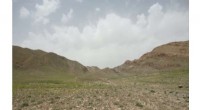
* Rain Shadow Effect: The Andes Mountains create a rain shadow effect, blocking moisture-laden winds from the Pacific Ocean from reaching the eastern side of the range. This results in a dry Atacama Desert in the north and a semi-arid climate in the central valley.
* Altitude: As elevation increases, temperatures decrease, leading to varied climates within the Andes, from snow-capped peaks to alpine meadows.
2. Pacific Ocean:
* Cold Humboldt Current: This cold current flows along the Chilean coast, moderating temperatures and creating a cool, humid climate in the west. It also contributes to the formation of fog and coastal deserts.
* El Niño-Southern Oscillation (ENSO): El Niño events, characterized by warmer ocean temperatures, can significantly impact Chile's climate, bringing increased rainfall and floods to the north and droughts to the south.
3. Latitude:
* Extending from Tropical to Sub-antarctic Zones: Chile spans a vast distance from the tropics in the north to the sub-antarctic in the south. This results in a wide range of climates, from arid deserts to temperate rainforests.
4. Other Factors:
* Prevailing Winds: Westerly winds dominate Chile, bringing moisture from the Pacific Ocean to the west coast.
* Topographic Variation: Chile's varied topography, including valleys, mountains, and coastal plains, influences local climates.
Specific Examples:
* Atacama Desert: The world's driest desert, located in northern Chile, is a result of the rain shadow effect created by the Andes Mountains and the cold Humboldt Current.
* Central Valley: This fertile region, located between the Andes and the Pacific Ocean, enjoys a Mediterranean climate with warm, dry summers and mild, wet winters.
* Southern Chile: This region is characterized by temperate rainforests and a cool, wet climate due to the influence of the Pacific Ocean and the westerly winds.
In conclusion, Chile's climate is a complex interplay of these geographical features, resulting in a vast array of climatic zones across the country.