Here's a breakdown of how they work:
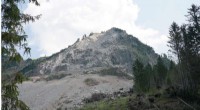
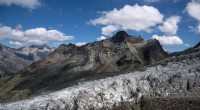
* Pioneer Species: These are the first organisms to colonize a barren or disturbed environment. They are often hardy and can tolerate extreme conditions like harsh sunlight, lack of nutrients, and little to no soil.
* Ecological Succession: Pioneer species play a crucial role in initiating ecological succession, the gradual process of change in an ecosystem over time.
* Establishment of Other Species: As pioneer species modify the environment (e.g., by breaking down rocks, creating soil, and providing shade), they create conditions that allow other, more complex species to become established.
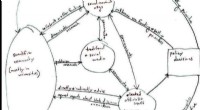
* Building an Ecosystem: This process continues, with each new species altering the environment and allowing for the arrival of even more species. Eventually, the ecosystem reaches a relatively stable state called a climax community.
Examples of Pioneer Species:
* Lichens: These organisms are able to break down rock and create soil, making it possible for other plants to grow.
* Mosses: These plants can also grow in harsh conditions and help to retain moisture, contributing to soil formation.
* Grasses: Grasses can tolerate drought and can help to bind soil, preventing erosion.
* Certain bacteria and fungi: They help decompose organic matter, adding nutrients to the soil.
Pioneer species are essential for the development of healthy and diverse ecosystems. They are the architects of life in previously uninhabited areas.