Here's why:
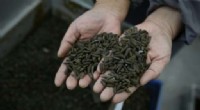
* Seeds provide protection and nourishment: Unlike their ancestors, the ferns and mosses, gymnosperms didn't rely on spores for reproduction. Seeds offered a significant advantage:
* Protection: The seed coat shielded the embryo from harsh environmental conditions.
* Nourishment: The seed contained food reserves, allowing the embryo to grow even when conditions were unfavorable.
* Dispersal: Seeds could be dispersed by wind, water, or animals, allowing gymnosperms to reach new areas and establish new populations.
* Reduced reliance on water: While gymnosperms still require water for fertilization, they are less dependent on it than their predecessors. Seeds allowed them to reproduce in drier environments, which contributed to their success in colonizing land.
Other adaptations also played a role in the success of gymnosperms, including:
* Woody tissues: Provided structural support for tall growth.
* Needle-like leaves: Reduced water loss and allowed them to thrive in cold or dry conditions.
* Pollen: Allowed for wind pollination, which freed them from needing water for fertilization.
The evolution of seeds was a major evolutionary leap that allowed gymnosperms to diversify and thrive in terrestrial environments, paving the way for the later evolution of flowering plants (angiosperms).