1. Strong Winds: High-speed winds during storms can exert tremendous force on trees, especially if the trees are tall and have a large canopy. The wind creates a pulling force on the branches and leaves, which can cause the tree to sway and put stress on its root system. If the wind force exceeds the tree's ability to withstand it, the roots may become dislodged from the soil, resulting in the tree being uprooted.
2. Shallow Root Systems: Some tree species have shallow root systems, making them more susceptible to uprooting. Trees with shallow roots may not have a deep enough anchor in the ground to withstand strong winds. Factors like soil type, compaction, and the presence of nearby structures can also contribute to shallow root systems.
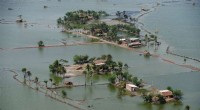
3. Saturated Soil: Heavy rainfall and flooding can saturate the soil around trees, reducing its stability and strength. Saturated soil becomes looser and provides less resistance to the force of the wind, increasing the likelihood of trees being uprooted.
4. Weak or Damaged Roots: Trees with weak or damaged roots are more prone to uprooting. Root damage can occur due to various factors, such as construction activities, rot, disease, or improper planting techniques. Compromised roots reduce the tree's ability to anchor itself firmly in the ground.
5. Soil Erosion: Erosion can weaken the soil around trees, exposing their roots and making them vulnerable to uprooting. Erosion can be caused by excessive rainfall, improper drainage, or human activities like deforestation and land clearing.
6. Tree Height and Canopy Size: Taller trees with large canopies experience greater wind resistance compared to smaller trees. The increased wind force acting on the tree's upper parts creates a higher risk of uprooting.
7. Leaning Trees: Trees that are already leaning or have an unbalanced structure are more likely to be uprooted during storms. The leaning tree places additional stress on its root system, making it more susceptible to failure.
8. Tree Age: Older trees may have weaker root systems and reduced ability to withstand environmental stresses, making them more prone to uprooting.
It's important to note that not all trees are equally susceptible to uprooting. Factors like tree species, root structure, soil conditions, and the intensity of the storm all play a role in determining whether a tree will be uprooted.