1. Burning of Biomass: Many cultures have traditions that involve the burning of biomass, such as wood, crop residues, and animal dung, for cooking, heating, or ceremonial purposes. This practice releases particulate matter, carbon monoxide, nitrogen oxides, and other pollutants into the air. For example, in parts of India, the burning of cow dung and wood for cooking and heating is a common practice, contributing to significant air pollution.
2. Religious Practices: Certain religious rituals and festivals may involve the burning of incense, candles, or other materials, which can release pollutants such as particulate matter and volatile organic compounds (VOCs) into the air. For instance, during religious festivals in some Asian countries, the burning of incense sticks and joss paper is widespread, leading to temporary spikes in air pollution levels.
3. Fireworks and Pyrotechnics: Cultural celebrations, such as festivals and holidays, often involve the use of fireworks and pyrotechnics. These displays produce high levels of particulate matter, sulfur dioxide, and other pollutants, contributing to short-term air pollution events. For example, during Diwali, the festival of lights in India, the widespread use of fireworks results in a significant deterioration of air quality.
4. Vehicle Emissions: Cultural practices that encourage high levels of vehicle usage can also contribute to air pollution. For instance, in many cities around the world, there is a strong car-dependent culture, with a significant proportion of the population relying on private vehicles for daily transportation. This can lead to increased traffic congestion, higher emissions of pollutants such as nitrogen oxides and carbon monoxide, and overall poor air quality.
5. Agricultural Practices: Certain cultural practices related to agriculture can contribute to air pollution. For example, the practice of slash-and-burn agriculture involves clearing land by burning vegetation, releasing large amounts of smoke and pollutants into the atmosphere. Additionally, the use of chemical fertilizers and pesticides in intensive farming practices can result in the emission of nitrogen oxides, ammonia, and other pollutants.
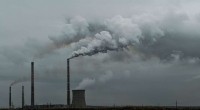
6. Industrial Activities: Cultural factors can influence the development of industries that contribute to air pollution. For instance, regions with a strong focus on heavy industries, such as manufacturing or mining, may have higher levels of air pollution due to the emissions from industrial processes. Cultural attitudes toward environmental regulations and sustainable practices can impact the extent to which these industries control their emissions.
It is important to note that while cultural practices can contribute to air pollution, they can also offer solutions. Promoting sustainable practices, encouraging the adoption of cleaner technologies, and raising awareness about the environmental impacts of cultural activities can help mitigate the negative effects on air quality.