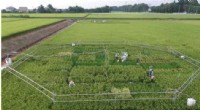
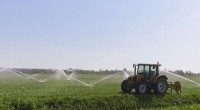
1. Agriculture: One of the primary causes of deforestation is clearing forests to make way for agriculture, including farming and pasture land for livestock. The demand for food production often leads to the conversion of forest land into cropland or grazing areas, resulting in habitat destruction and loss of biodiversity.
2. Logging: Trees are harvested from forests for timber and other forest products such as firewood, pulp, and paper. Unsustainable logging practices, including illegal logging, contribute to deforestation and can degrade the quality of remaining forest habitats.
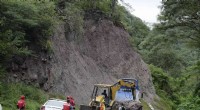
3. Urbanization and Infrastructure Development: As human populations grow, there is increased pressure for urban expansion, infrastructure development (such as roads, buildings, and dams), and mining activities. These projects often require clearing of forests, leading to habitat loss and fragmentation.
4. Wildfires: Forest fires can have both natural and human-induced causes. Natural wildfires, influenced by factors like drought or lightning strikes, can cause significant damage to forests. Human-induced wildfires, often caused by arson, negligence, or accidental ignitions, can also contribute to deforestation.
5. Climate Change: Rising global temperatures and changes in climate patterns due to human-induced greenhouse gas emissions have intensified threats to forests. Altered weather conditions, increased frequency of droughts, heat waves, and pest outbreaks all contribute to the degradation and vulnerability of forests.
6. Pollution: Industrial activities, mining operations, and air pollution from vehicles can result in the release of harmful chemicals and pollutants into the environment, affecting the health of forests. Acid rain, caused by the release of sulfur dioxide and nitrogen oxides into the atmosphere, can damage forest vegetation.
7. Overexploitation of Resources: Unsustainable harvesting practices, including overgrazing by livestock, collection of non-timber forest products (NTFPs) such as fruits, nuts, and medicinal plants, can strain the resources and affect the ecological balance of forests.
8. Invasive Species: Introduction of non-native species into forest ecosystems can disrupt natural ecological processes. Invasive plants and animals can outcompete native species, alter habitats, and lead to reduced biodiversity.
Addressing these threats requires collaborative efforts from governments, organizations, communities, and individuals. Implementing sustainable forest management practices, protecting biodiversity, promoting reforestation efforts, and raising awareness about the importance of preserving forests are crucial steps towards ensuring the long-term survival of these vital ecosystems.