Igneous Rocks:
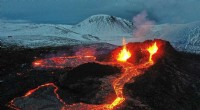
Igneous rocks are formed when magma or lava cools and solidifies. Magma is molten rock that originates deep within the Earth, while lava is molten rock that reaches the surface. When magma cools slowly underground, it forms intrusive igneous rocks, such as granite. When lava cools quickly on the surface, it forms extrusive igneous rocks, such as basalt.
Sedimentary Rocks:
Sedimentary rocks are formed when sediments, such as sand, mud, and gravel, are deposited and compacted over time. These sediments can come from various sources, including the erosion of pre-existing rocks, volcanic eruptions, and the accumulation of organic matter. Sedimentary rocks are typically formed in layers, with each layer representing a different period of time. Examples of sedimentary rocks include sandstone, limestone, and shale.
Metamorphic Rocks:
Metamorphic rocks are formed when existing rocks undergo physical and chemical changes due to heat, pressure, or both. These changes can occur deep within the Earth's crust or during mountain-building processes. Metamorphic rocks often exhibit a distinct foliated or banded texture, which is caused by the alignment of minerals during the transformation process. Examples of metamorphic rocks include marble, slate, and gneiss.
The Rock Cycle:
The rock cycle describes the processes by which rocks of one type can be transformed into rocks of another type. These processes are driven by the Earth's internal and external forces. Here's a simplified overview of the rock cycle:
1. Igneous to Sedimentary: Igneous rocks can be weathered and eroded, producing sediments. These sediments can be transported by wind, water, or ice and eventually deposited in various environments, such as riverbeds, deltas, or oceans.
2. Sedimentary to Metamorphic: Sedimentary rocks can undergo metamorphism when they are subjected to intense heat and pressure during mountain-building processes or deep burial in the Earth's crust. This transformation results in the formation of metamorphic rocks.
3. Metamorphic to Igneous: Metamorphic rocks can be melted by extreme heat from deep-seated magma or during volcanic activity. The molten rock can then cool and solidify, forming igneous rocks.
4. Igneous to Metamorphic: Igneous rocks can also be subjected to metamorphism when they are exposed to heat and pressure within the Earth's crust. This process transforms igneous rocks into metamorphic rocks.
The rock cycle is a dynamic process that continuously operates over geological timescales. Rocks can undergo multiple transformations, passing through different stages of the cycle, as they are subjected to various geological processes. The study of the rock cycle provides valuable insights into the history and evolution of the Earth's crust and the processes that shape our planet.