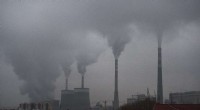
Mining: Cuba has a number of mineral resources, including nickel, cobalt, copper, and gold. Mining is a major industry in Cuba, and the country is the world's fifth largest producer of nickel. However, mining can also have a negative impact on the environment, including air and water pollution, and deforestation.
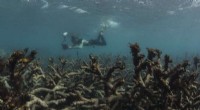
Tourism: Tourism is a growing industry in Cuba, and the country is becoming a popular destination for tourists from around the world. However, tourism can also have a number of negative impacts on the environment, including increased waste production, water consumption, and pollution.
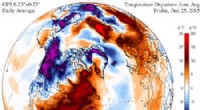
Climate change: Cuba is particularly vulnerable to the impacts of climate change, due to its location in the Caribbean Sea. The country is already experiencing sea level rise, increased storm activity, and changes in precipitation patterns. These impacts are likely to become more severe in the future, and they could have a significant impact on Cuba's economy and environment.
Overall, Cuba's human environment interactions are complex and multifaceted. While the country has made progress in addressing some of its environmental challenges, there are still a number of areas where improvements can be made. By working together, Cubans can create a more sustainable future for their country.