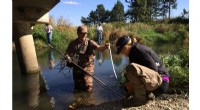
1. Ecology: Ecology is the study of the interactions between organisms and their environment, including the flow of energy and nutrients through ecosystems, population dynamics, and community ecology.
2. Environmental chemistry: Environmental chemistry studies the chemical composition of the environment and the processes that affect it, including pollution, water quality, and soil chemistry.
3. Environmental biology: Environmental biology focuses on the effects of environmental factors on living organisms, such as climate change, habitat loss, and pollution.
4. Environmental physics: Environmental physics studies the physical processes that affect the environment, including weather, climate, and energy production.
5. Environmental geology: Environmental geology examines the geological processes that shape the Earth's surface and its resources, such as water, soil, and minerals, as well as the impact of human activities on these processes.
6. Environmental policy and management: Environmental policy and management studies the development and implementation of policies and regulations to protect the environment, such as pollution control, land use planning, and conservation.
7. Environmental economics: Environmental economics analyzes the economic costs and benefits of environmental protection and the impact of environmental policies on economic growth and development.
8. Environmental ethics: Environmental ethics examines the ethical dimensions of environmental issues, such as the rights of future generations, the value of biodiversity, and the responsibility of humans to protect the environment.
9. Environmental sociology: Environmental sociology studies the social and cultural dimensions of environmental issues, such as the relationship between environmental degradation and social inequality, the environmental impacts of consumer behavior, and the role of environmental activism in social change.
10. Environmental education: Environmental education focuses on teaching about the environment and environmental issues, to raise awareness and promote responsible environmental behavior.
The interdependence of organisms is a fundamental concept in ecology and environmental science. Organisms interact with each other and their environment in numerous ways, forming complex ecological relationships that affect the structure and function of ecosystems. Some examples of interdependence among organisms include:
1. Food webs: Organisms are linked together by food chains, in which each organism consumes another organism for energy. For example, grass grows, grasshoppers eat the grass, birds eat the grasshoppers, and hawks eat the birds. This interconnectedness ensures a balance of predator-prey relationships and maintains ecosystem stability.
2. Pollination: Many plants rely on animals, such as insects and birds, for pollination. When animals move from flower to flower, they transfer pollen, enabling plants to reproduce. This interdependence ensures the survival of both plants and animals involved in the pollination process.
3. Nitrogen cycling: Certain bacteria convert atmospheric nitrogen into a form that can be used by plants. These plants are then eaten by animals, and the nitrogen is released back into the soil through their waste. This cycling of nitrogen is essential for plant growth and supports the entire ecosystem.
4. Decomposition: Decomposers, such as bacteria and fungi, break down dead plants and animals, returning their nutrients to the soil and making them available for other organisms. This process of decomposition is crucial for the cycling of nutrients and the maintenance of soil fertility.
5. Symbiosis: Some organisms form close, long-term relationships with other organisms, known as symbiosis. For example, certain plants have symbiotic relationships with fungi, forming mycorrhizae, which help the plant absorb water and nutrients from the soil. In return, the plant provides the fungus with carbohydrates.
The interdependence of organisms highlights the interconnectedness of all living things and the environment. Disrupting these relationships can have significant consequences for the entire ecosystem, leading to imbalances, loss of biodiversity, and potentially adverse effects on human well-being. Understanding and preserving these interdependencies is crucial for maintaining ecological balance and ensuring the sustainability of our planet.