There are many different factors that can cause landforms to weather or erode, including:
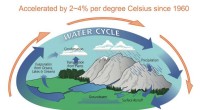
* Climate: The climate of a region can play a major role in weathering and erosion. For example, areas with high temperatures and rainfall are more likely to experience weathering and erosion than areas with cold temperatures and dry climates.
* Vegetation: Vegetation can help to protect landforms from weathering and erosion by holding the soil in place. However, if vegetation is removed, the soil is more likely to be eroded by wind and water.
* Rock type: The type of rock that a landform is made of can also affect how it weathers and erodes. For example, soft rocks, such as sandstone, are more easily weathered and eroded than hard rocks, such as granite.
* Human activity: Human activity can also contribute to weathering and erosion. For example, construction and mining can remove vegetation and disturb the soil, making it more susceptible to erosion.
Weathering and erosion can create a variety of landforms, including:
* Mountains: Mountains are formed when tectonic plates collide, causing the Earth's crust to fold and uplift. Weathering and erosion can then carve out valleys and other features in the mountains.
* Hills: Hills are formed when the Earth's crust is uplifted or when erosion wears away the surrounding land.
* Valleys: Valleys are formed by the erosion of rivers and streams.
* Canyons: Canyons are deep, narrow valleys with steep sides. They are formed by the erosion of rivers and streams over long periods of time.
* Plateaus: Plateaus are large, flat areas of land that are elevated above the surrounding terrain. They are formed by the erosion of mountains and hills.