One of the most significant ways that humans have interacted with the environment in Michigan is through the use of natural resources. The state's forests have been used for logging and paper production, while its freshwater resources have been used for drinking, transportation, and recreation. The state's mineral resources, such as iron, copper, and limestone, have been used to support the state's manufacturing industry.
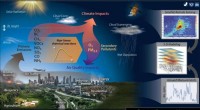
In addition to the use of natural resources, humans have also had a negative impact on the environment in Michigan. The state's forests have been cleared for agriculture and development, while its freshwater resources have been polluted by industrial waste and agricultural runoff. The state's air quality has also been degraded by industrial emissions and vehicle exhaust.
Despite the negative impacts that humans have had on the environment in Michigan, there have also been some positive developments. The state has made significant progress in reducing air and water pollution, and it has also taken steps to protect its natural resources. The state has established several parks and nature preserves, and it has also implemented a number of programs to promote sustainable development.
Overall, the human-environment interaction in Michigan is complex and multifaceted. There have been both positive and negative impacts, and the state has taken steps to address both the challenges and opportunities that come with living in a region with such a rich natural environment.