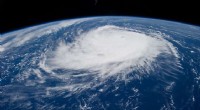
2. Rising water vapor cools and condenses into tiny water droplets, forming clouds.
3. As clouds gather and grow denser, the water droplets combine and become larger.
4. When the water droplets become too heavy to stay suspended in the air, they fall to the ground as precipitation; in this case, rain.
Various factors influence the rate and amount of rainfall, including air temperature, humidity, the movement of air masses, and geographical features like mountains and bodies of water. Rain plays a crucial role in Earth's hydrological cycle and climate patterns.